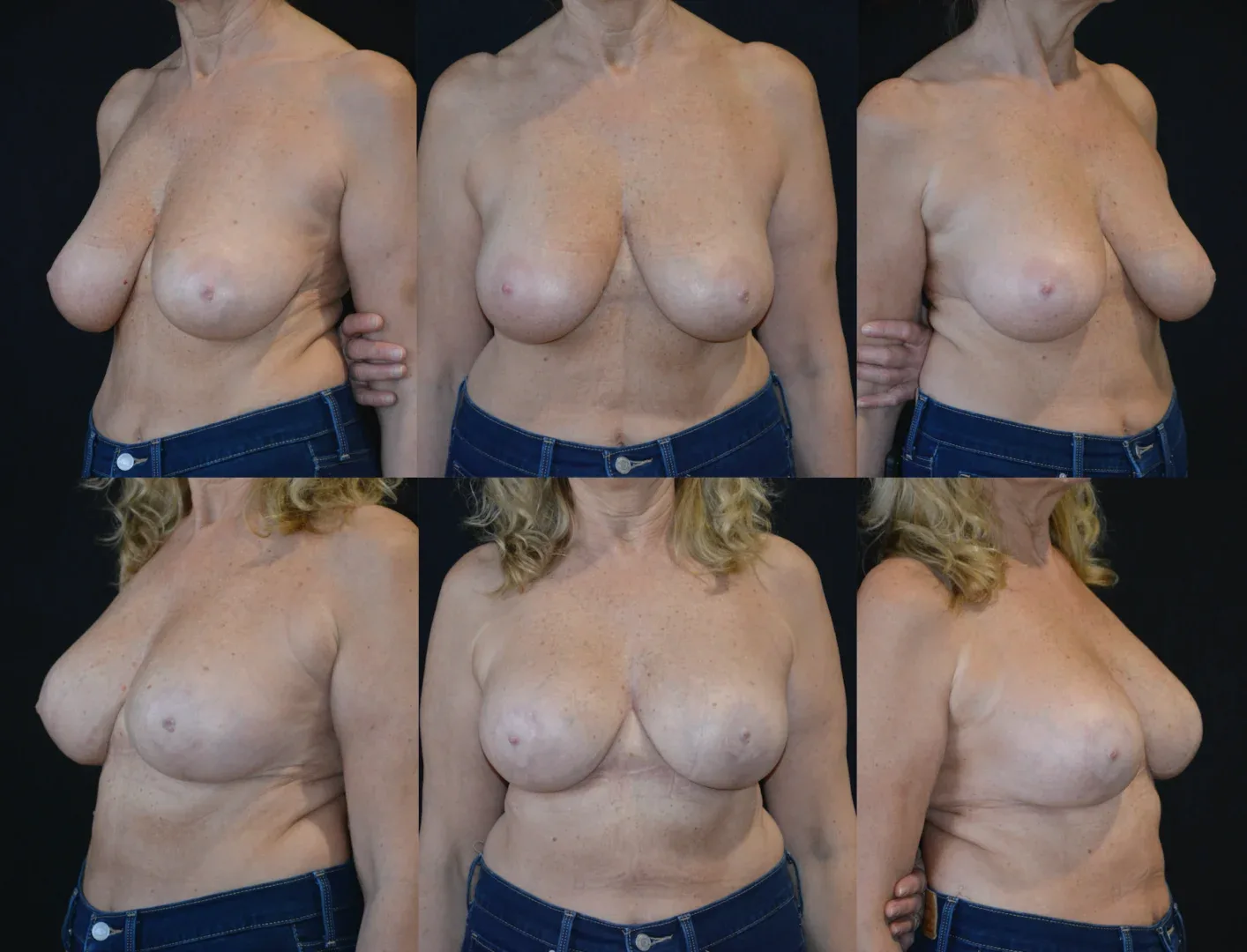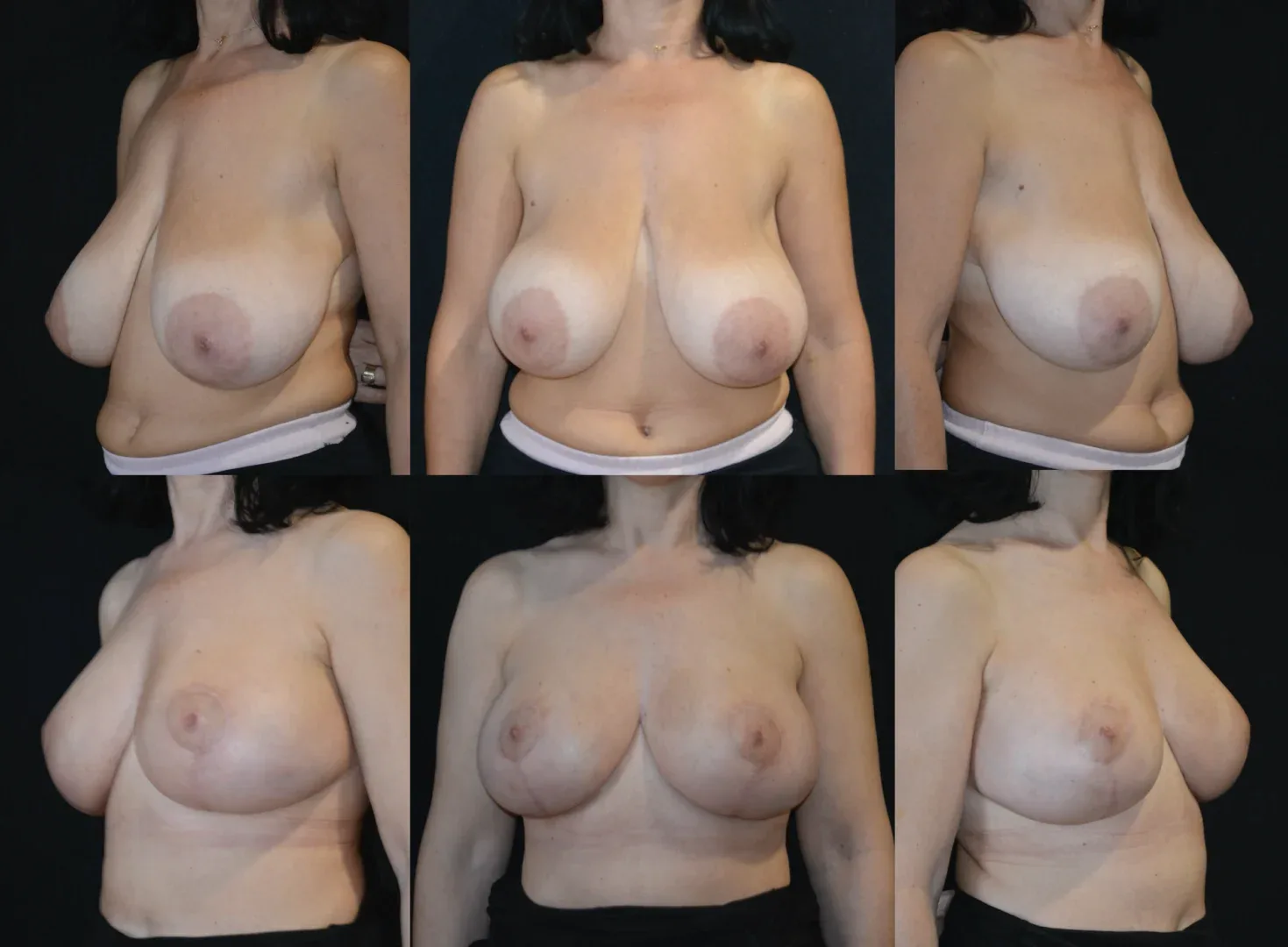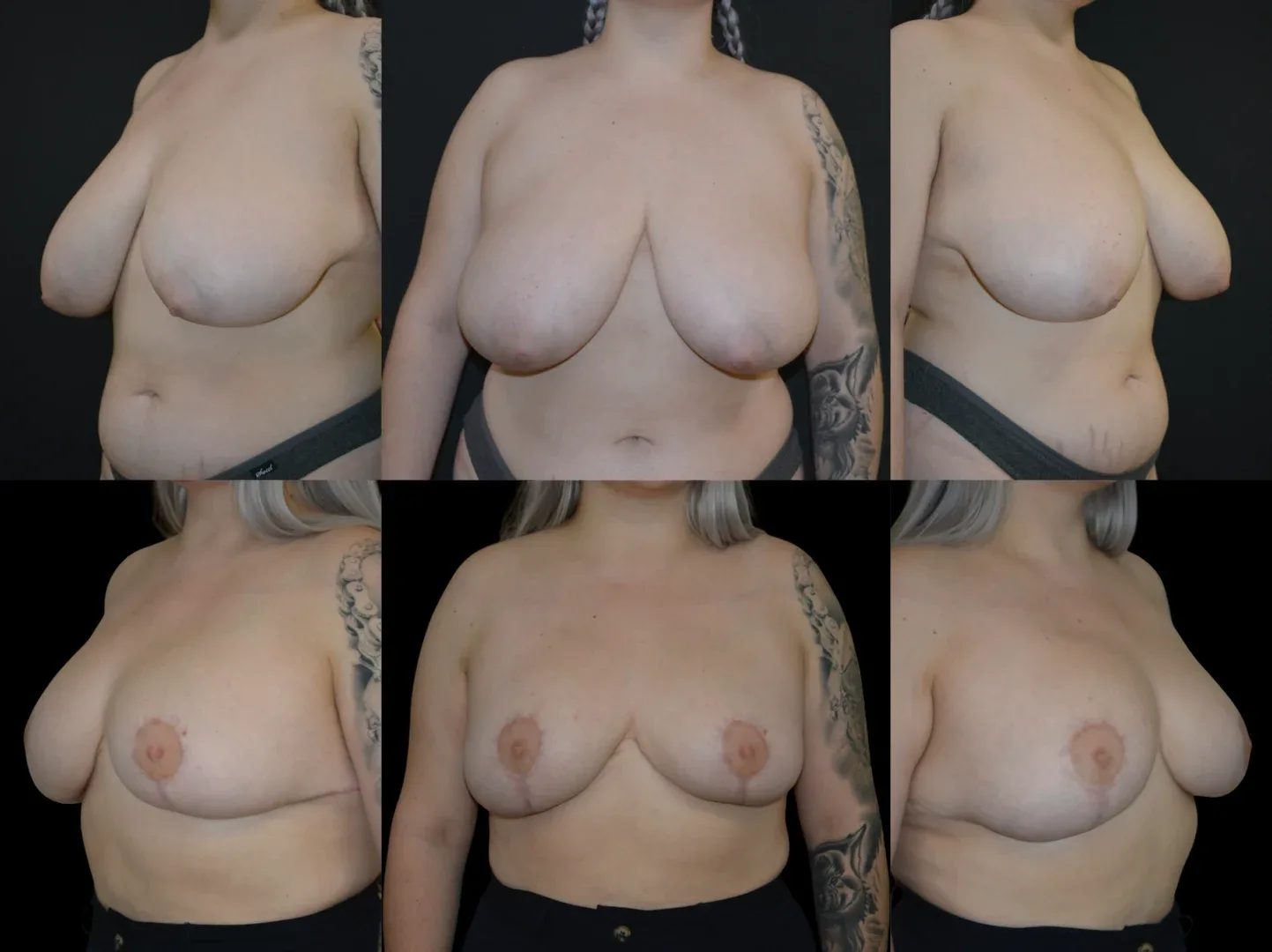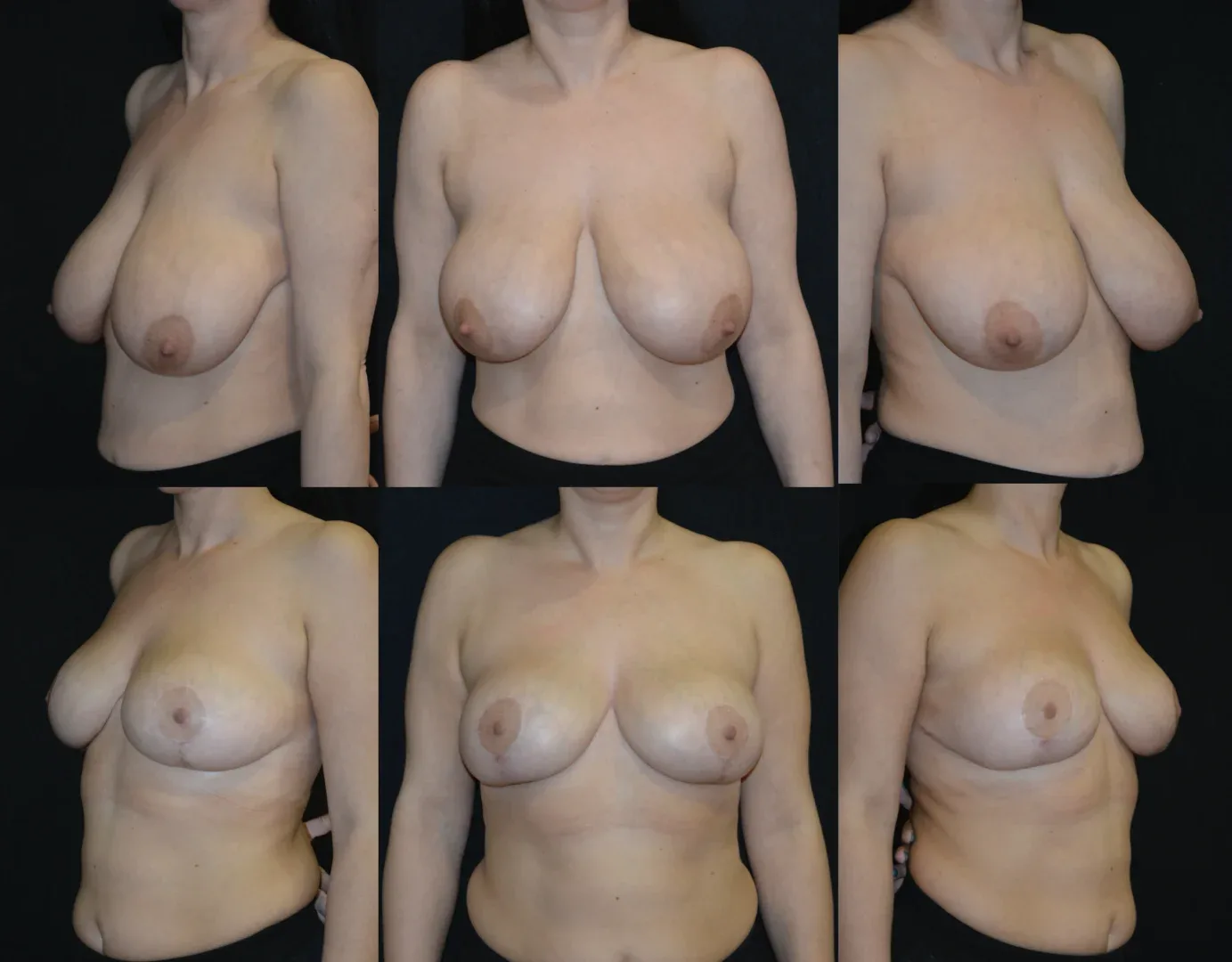




Purpose of the Procedure
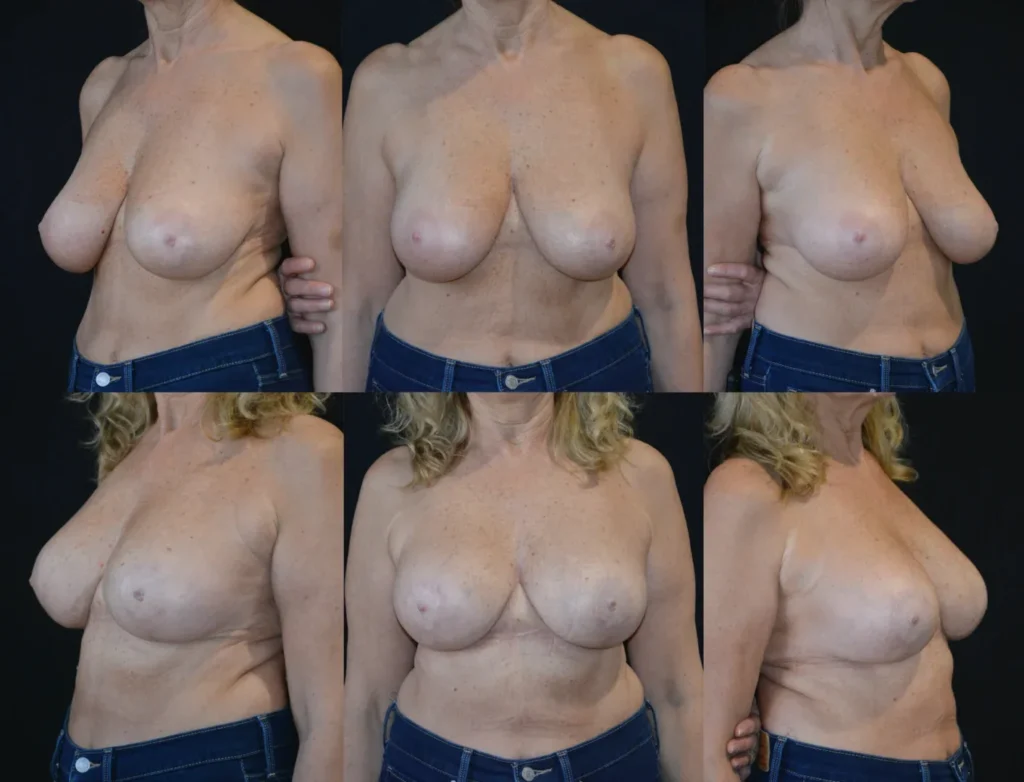
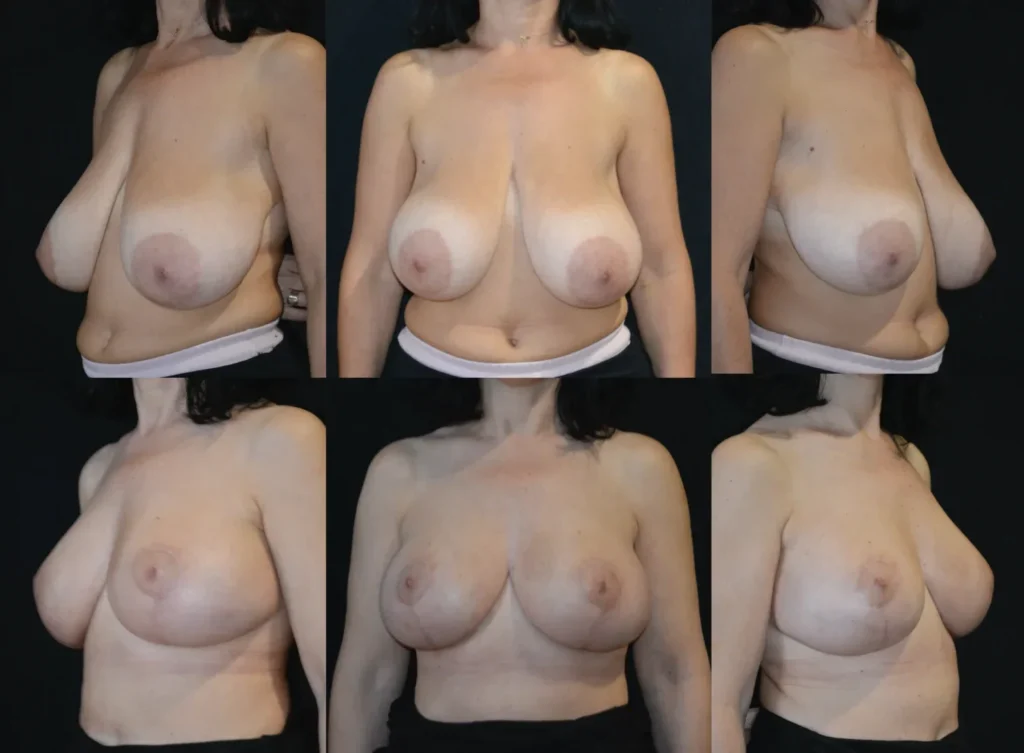
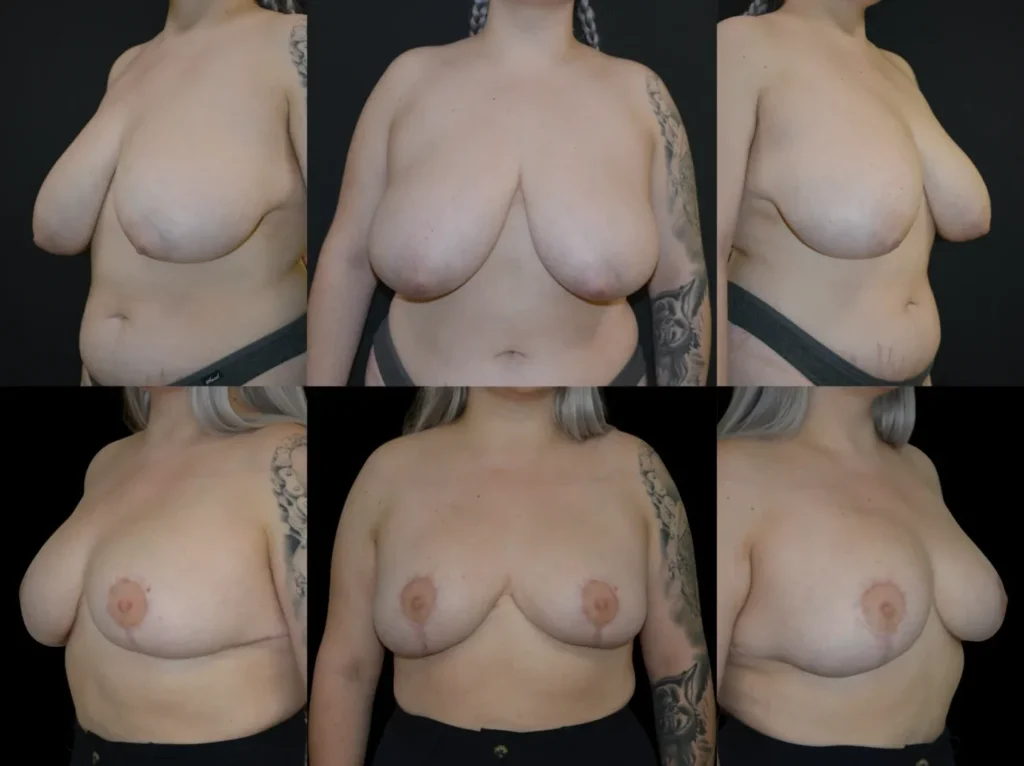
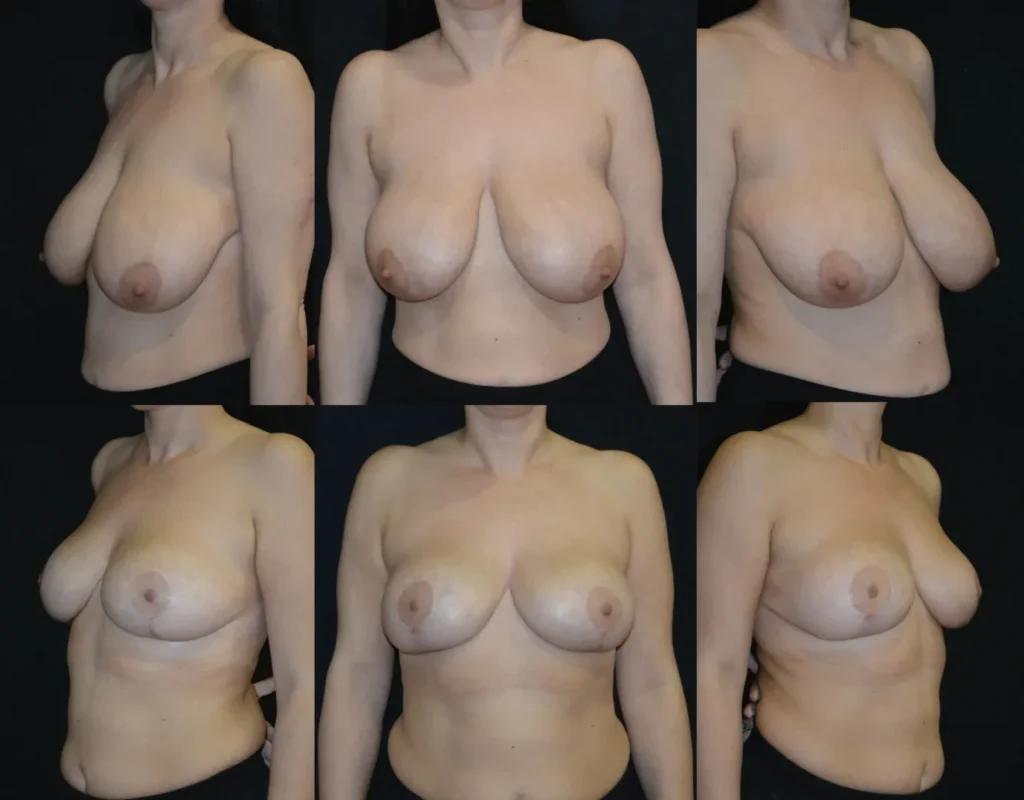
Breast Reduction, or breast reduction surgery, is the surgical procedure through which the size of very large breasts, disproportionate to a woman’s body, is reduced. Sometimes, large breasts can cause back pain or other physical and emotional discomforts.
Breast reduction surgery improves both the shape and conditions associated with large breasts, such as:
- Back, neck, and shoulder pain caused by the excessive weight of the breasts
- Marks and discomfort on the shoulders caused by bra straps
- Limitation of physical activities
- Irritations and eczema in the inframammary fold
- Stretched, sagging skin with areola and nipple positioned below the normal level
- Large, widened areolas
Breast reduction removes excess fat, glandular tissue, and skin to restore the breasts to a size proportional to the body and to eliminate physical and psychological discomfort.
Preoperative Consultation
Breast reduction can be performed at any age, preferably after full breast development.
The best candidates for this procedure are:
- Healthy women, without conditions that may affect the healing process
- Non-smokers
- Individuals seeking to improve body harmony
Before the procedure, the surgeon will evaluate the overall health status, medical history, medication or supplement use, as well as any family history of breast cancer.
It is essential for the patient to discuss openly with the doctor and strictly follow pre- and postoperative instructions.
Surgical Procedure
The surgery is personalized for each case, using different types of incisions depending on breast volume and the desired result. During the procedure:
- Excess adipose, glandular tissue, and skin are removed
- The nipple and areola are repositioned
- The areola size may be reduced if necessary
In some cases, excess fat may also be removed through liposuction for a more harmonious result. Incisions are placed to be as inconspicuous as possible, hidden by underwear or swimwear.
Sutures may be non-absorbable or absorbable, depending on the case. Sometimes a temporary drain tube is placed to prevent blood accumulation (hematoma).
Healing and Recovery
After the procedure, incisions are dressed, and the patient will wear a special medical bra (bustier) to support the breasts and aid in healing.
In the initial period, swelling, inflammation, and discomfort may occur, controlled with appropriate medication. Light activities can be resumed after a few days, and complete healing takes 1–2 weeks, at which point sutures are removed.
The healing process continues over several weeks, during which swelling decreases and scars fade.
Risks and Possible Complications
As with any surgical procedure, risks may include:
- Hematomas
- Infections
- Slow or defective healing of incisions
- Visible scars
- Temporary changes in breast or nipple sensitivity
In addition, there are general risks associated with anesthesia, which the patient will be informed about in detail prior to the procedure.
Results
The final result becomes apparent within a few months, as the shape and position of the breasts stabilize. Incision lines gradually become barely visible, and the new volume and breast profile restore the patient’s significant physical and aesthetic comfort.
The effects of breast reduction are generally permanent, though breasts may undergo natural changes due to weight fluctuations, pregnancy, or aging.