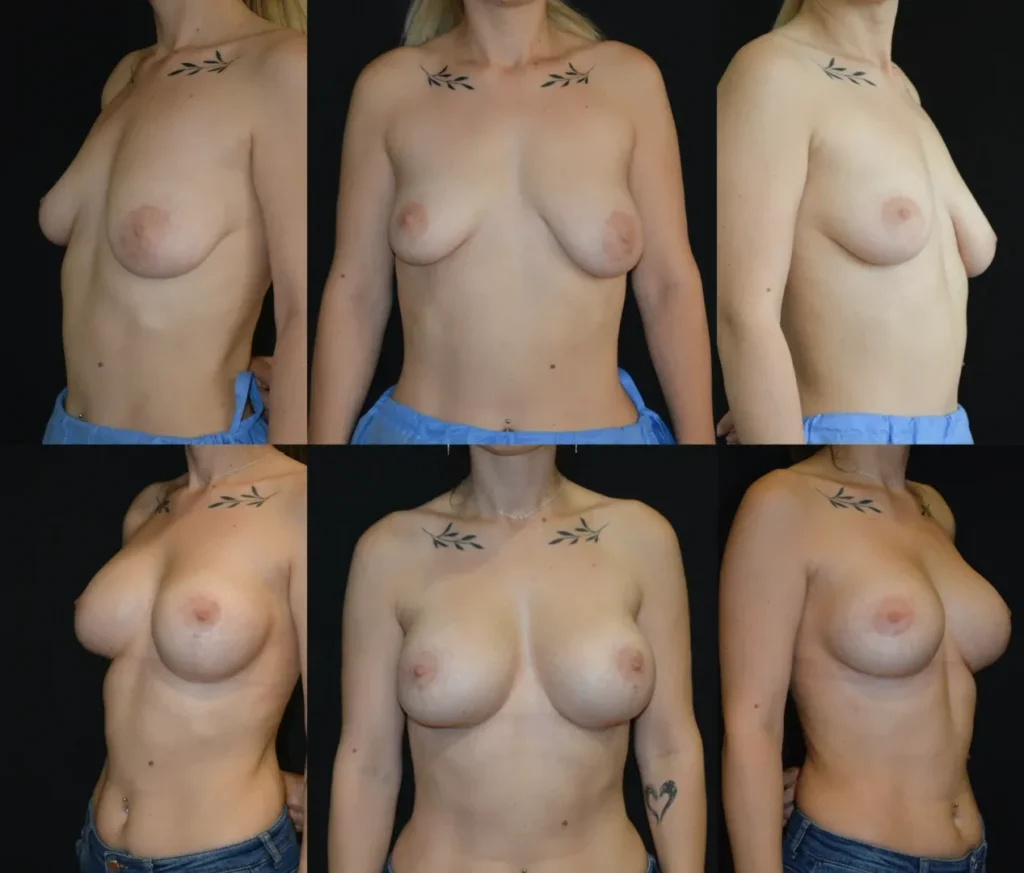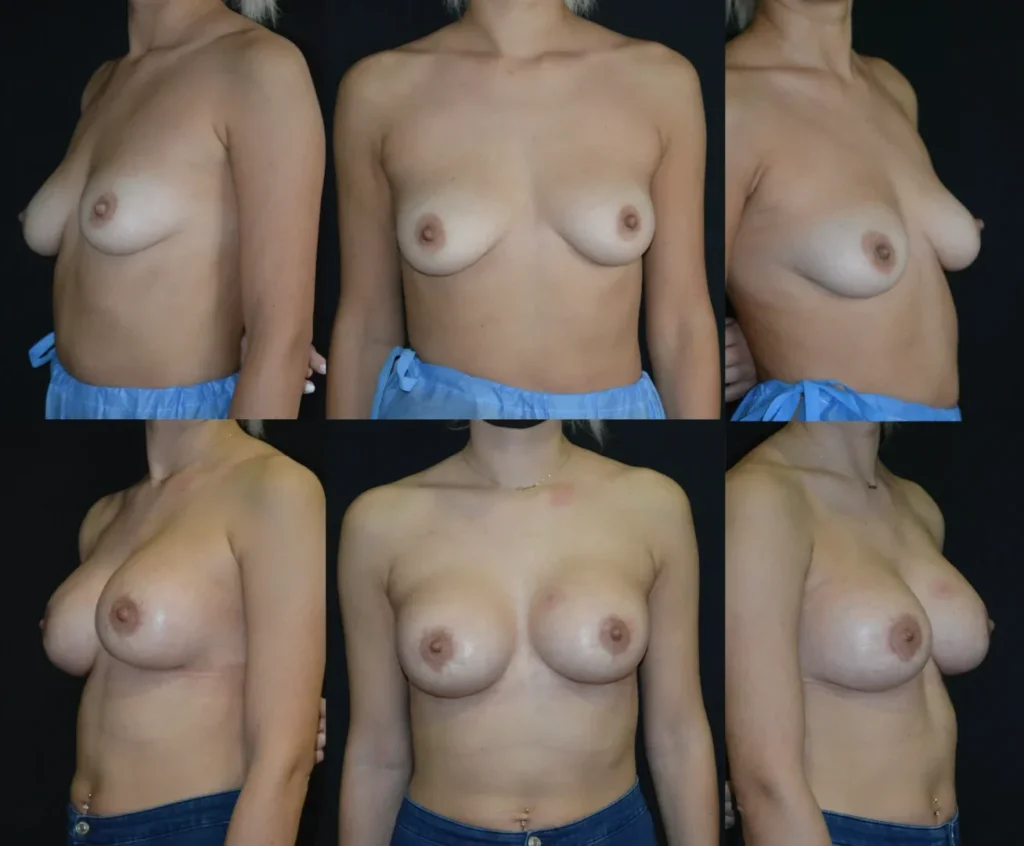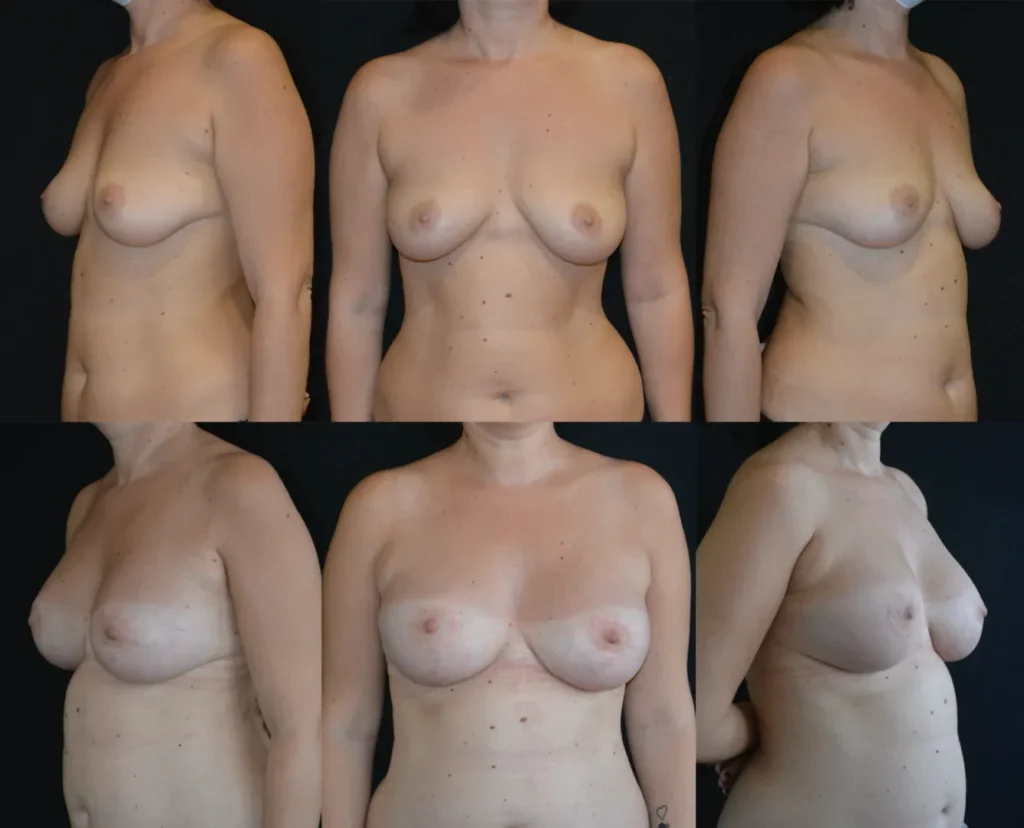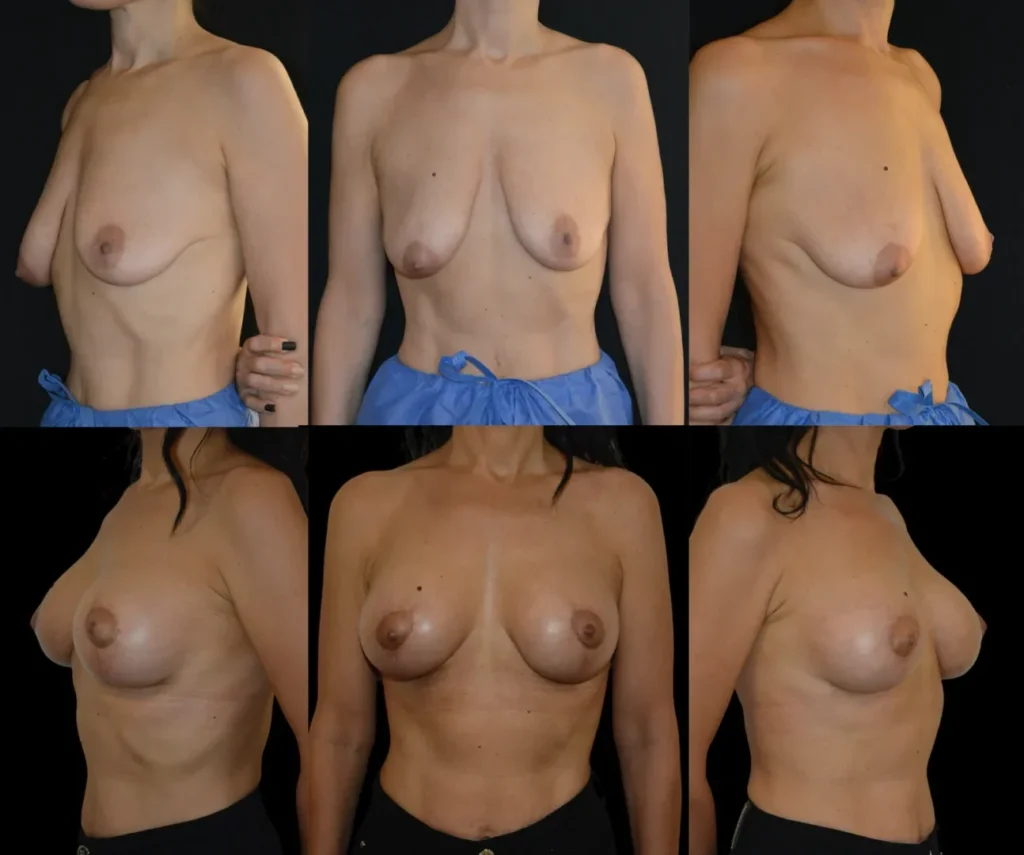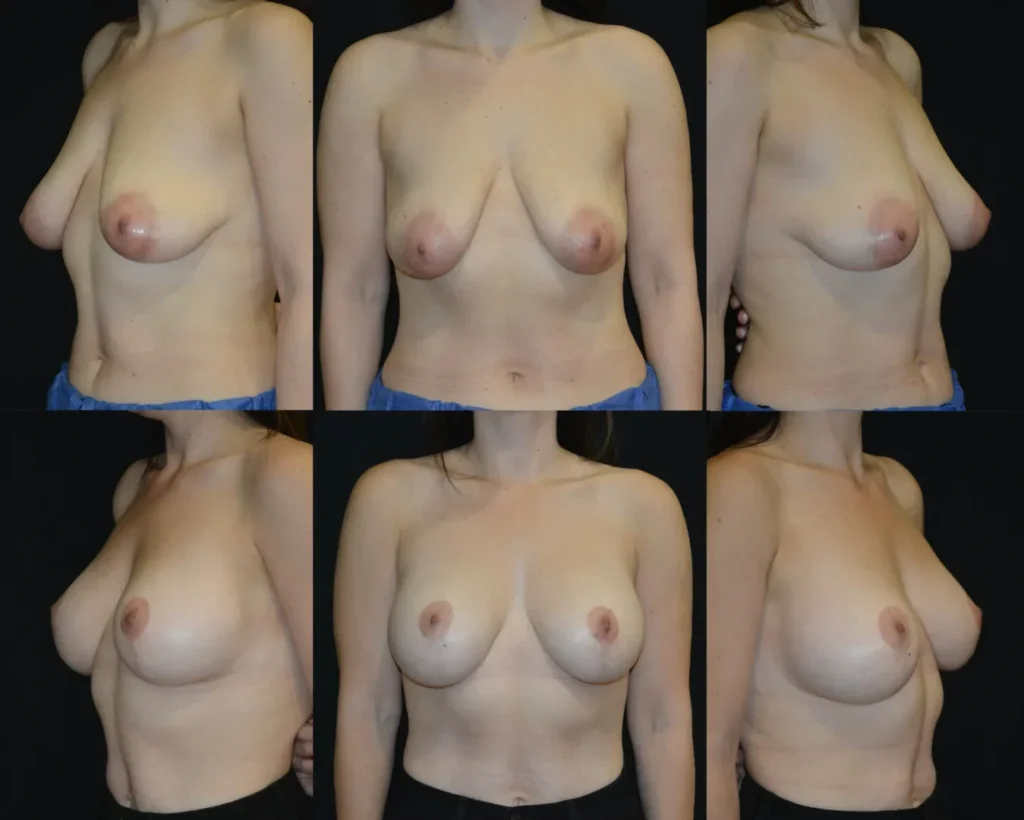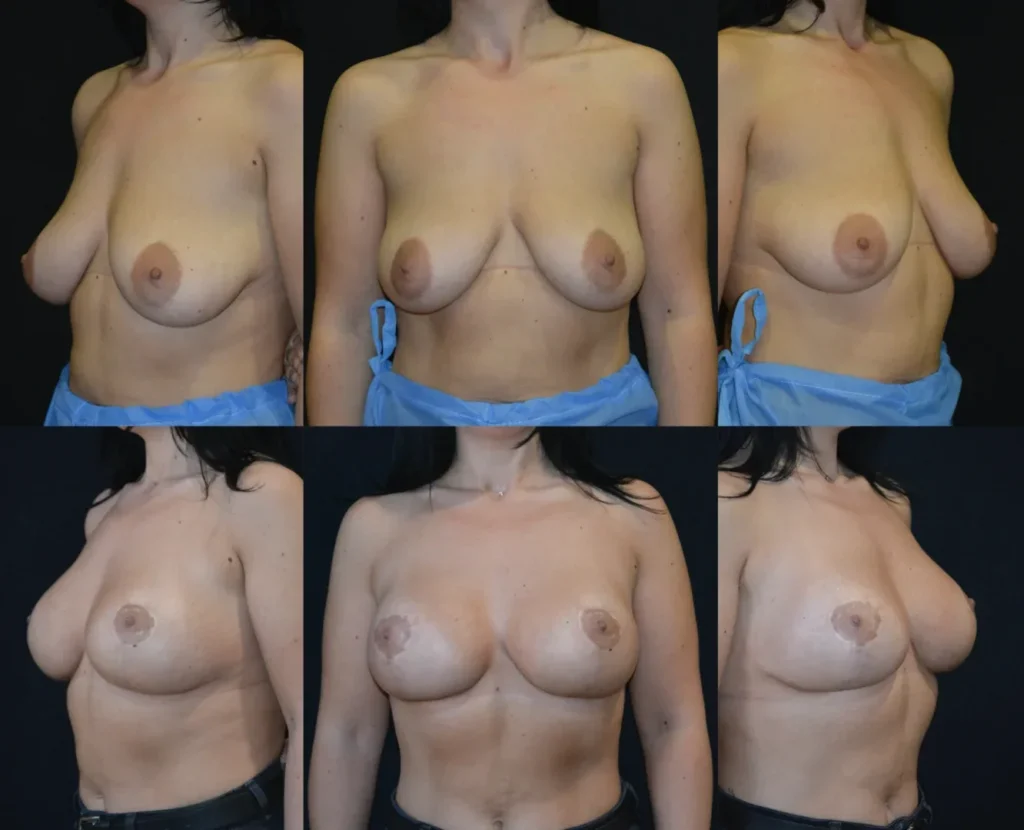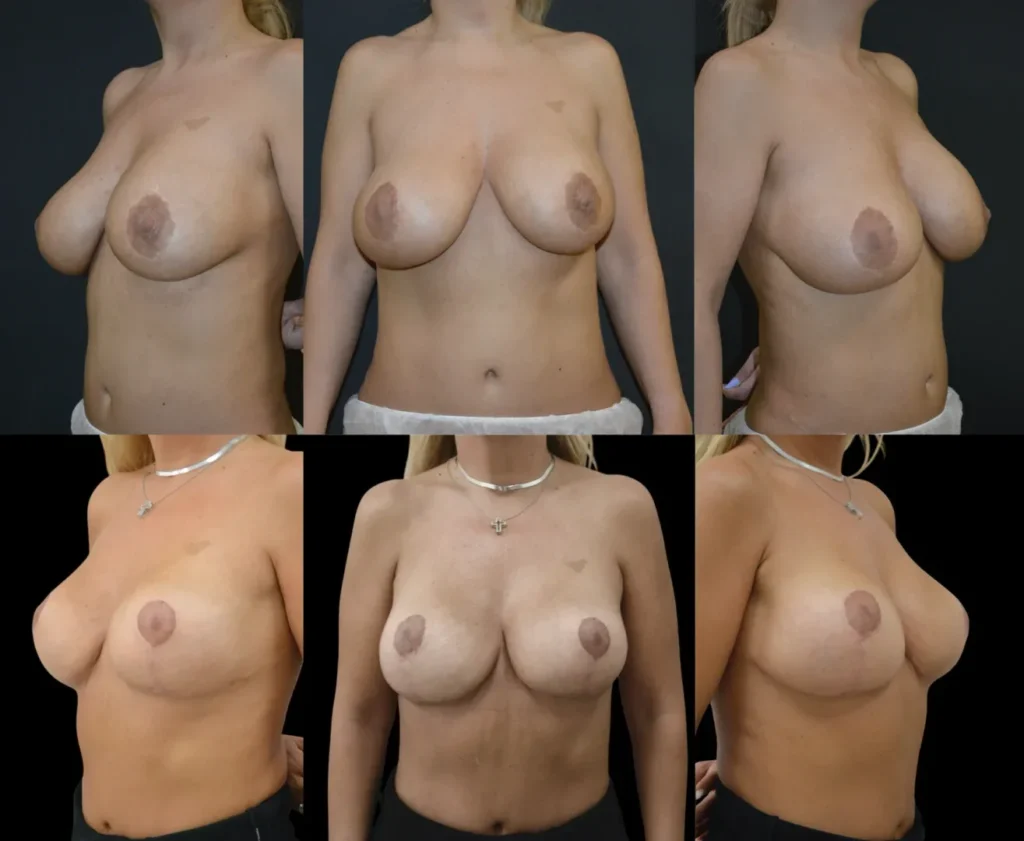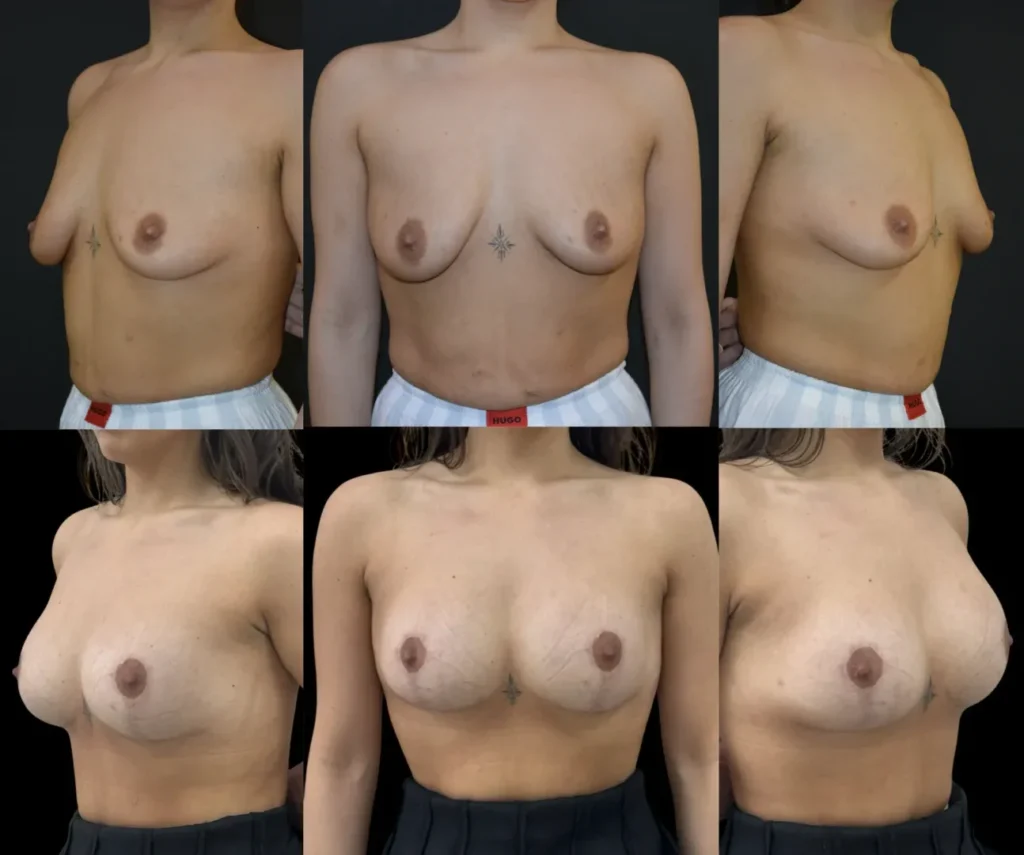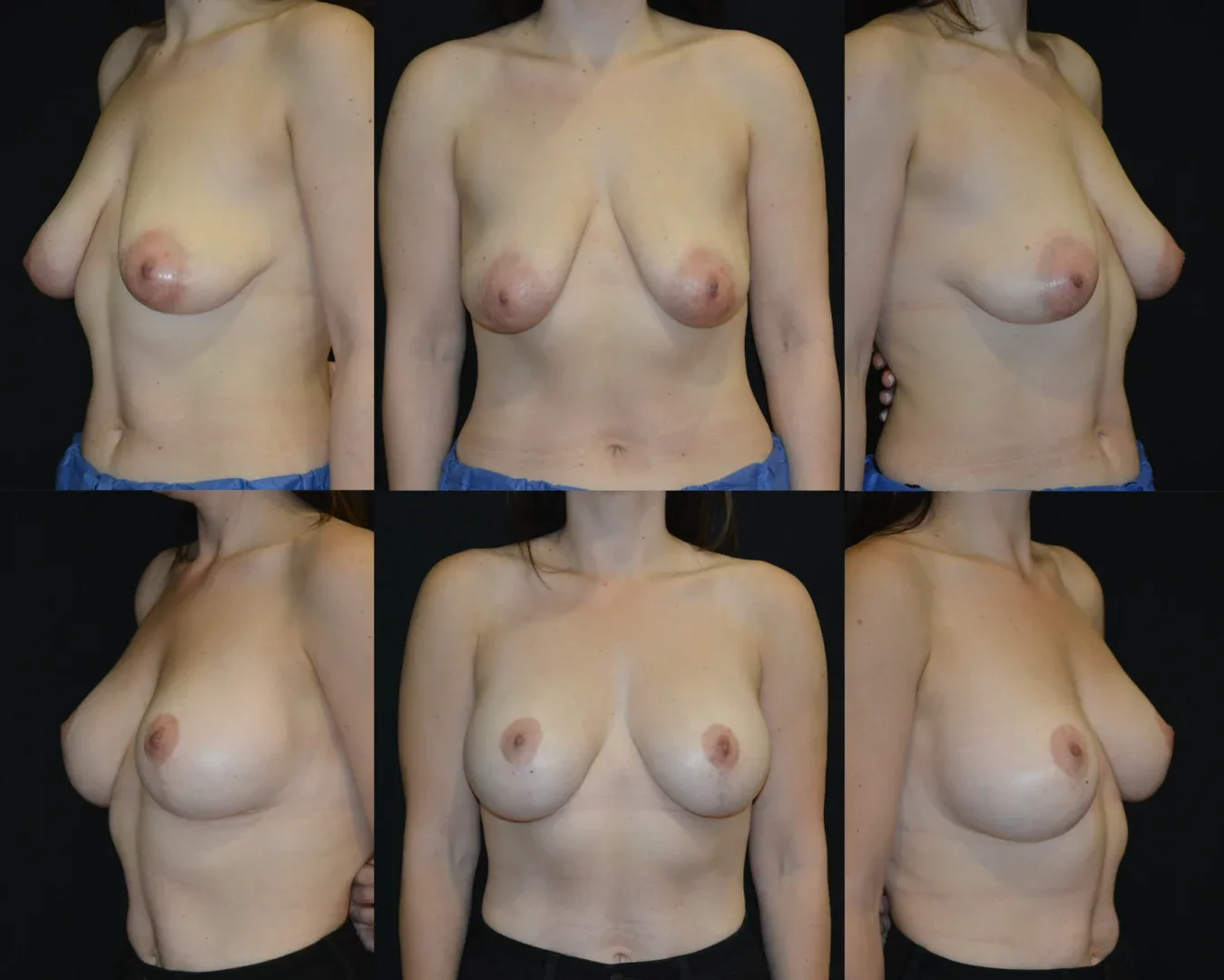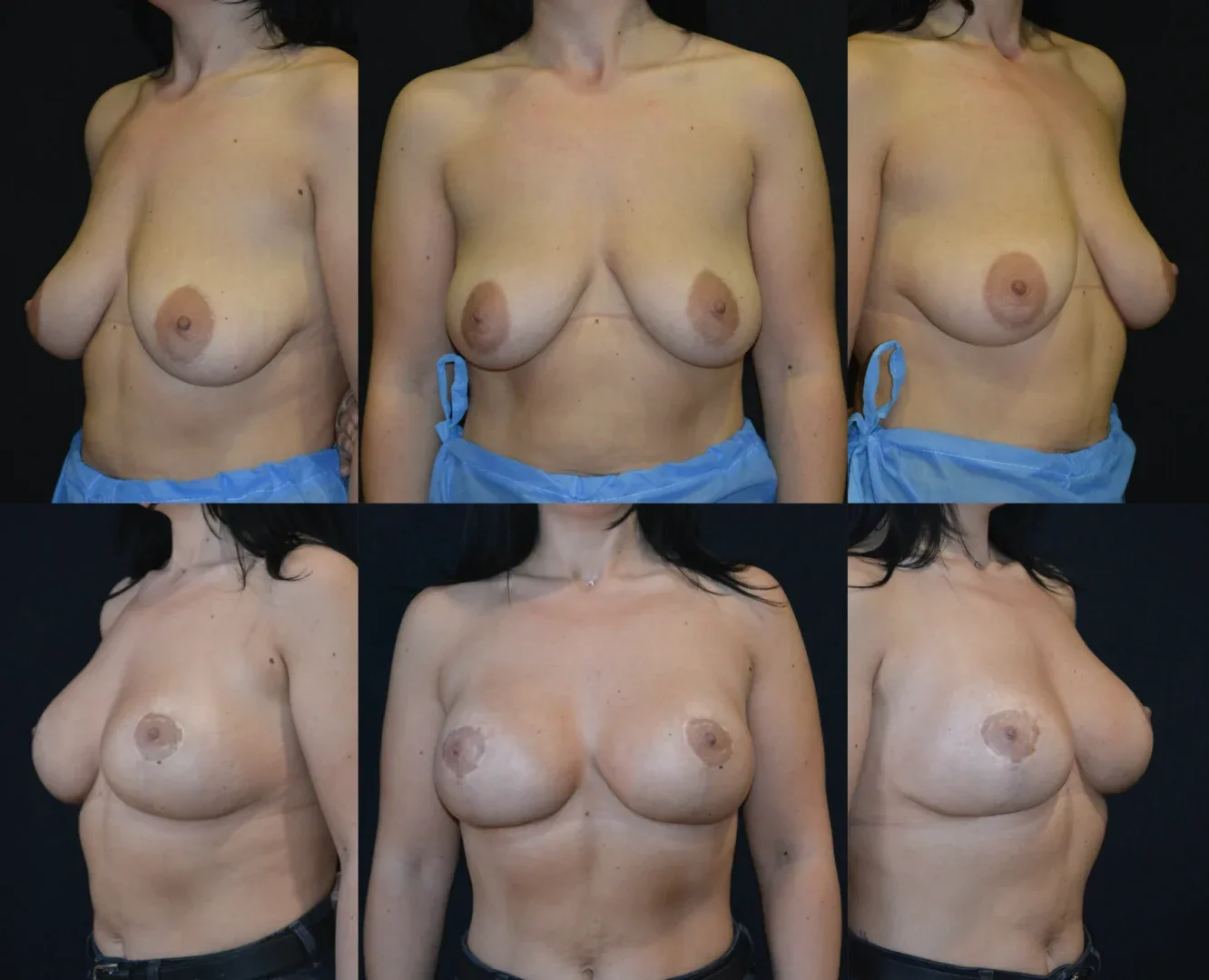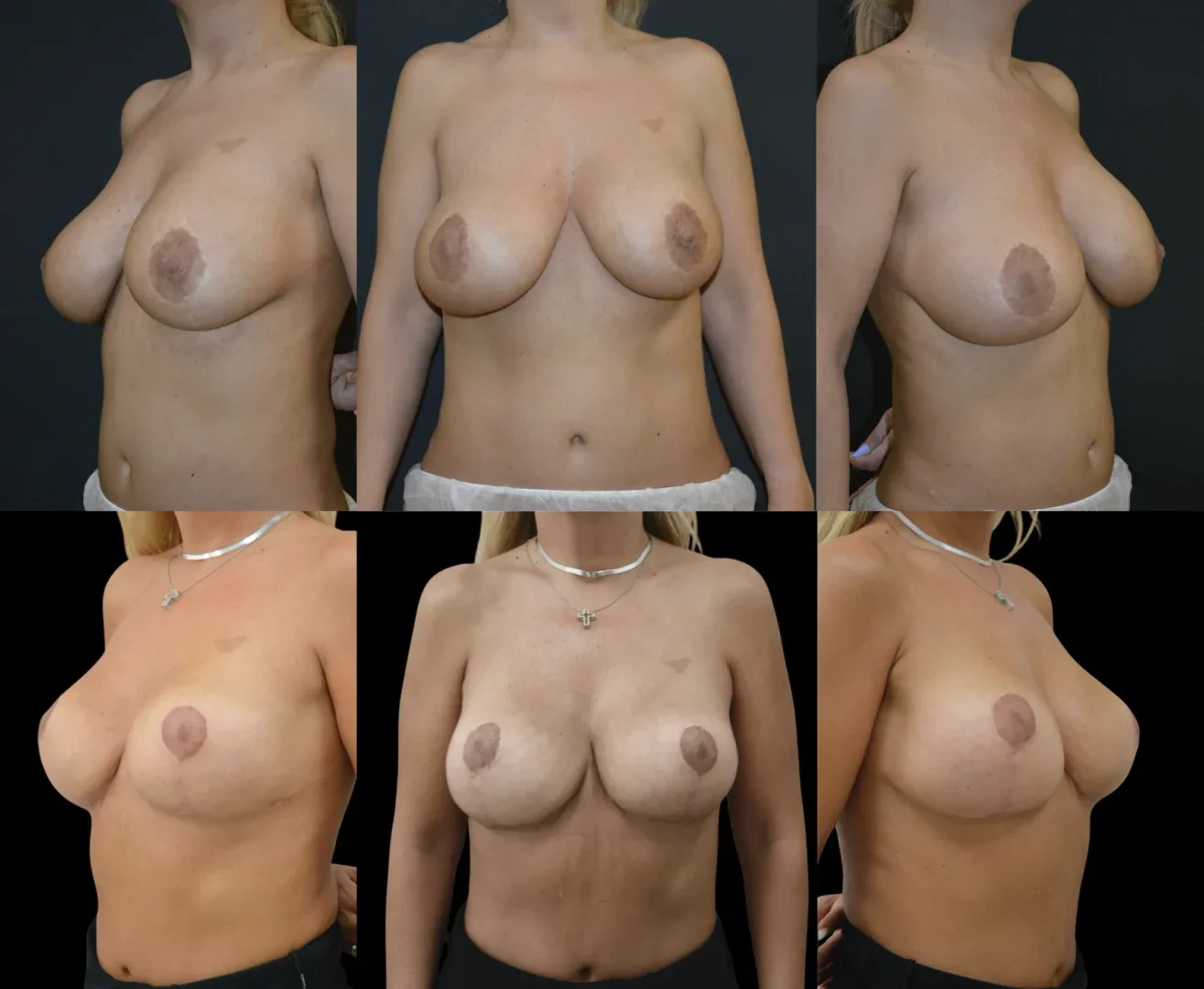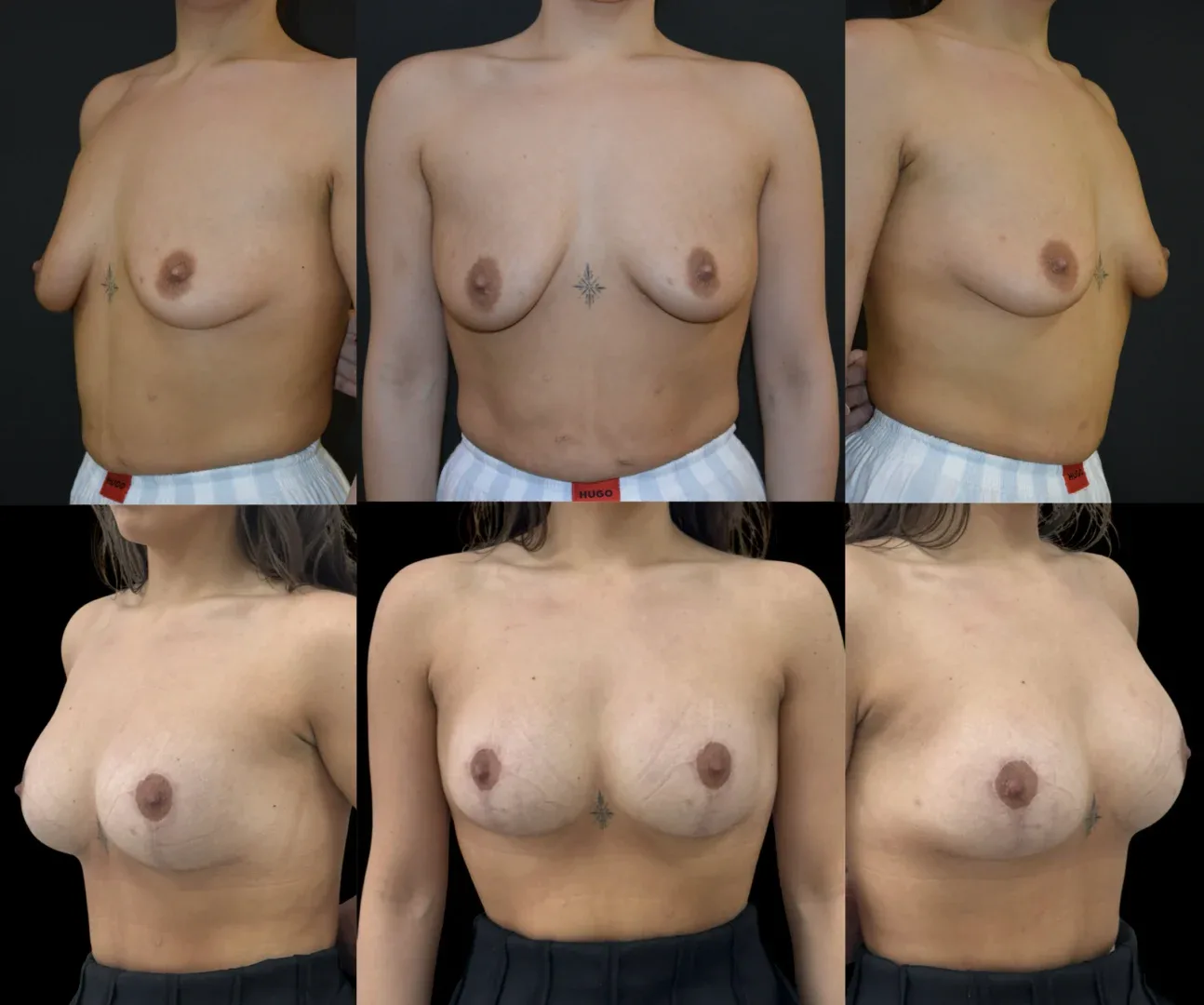


Purpose
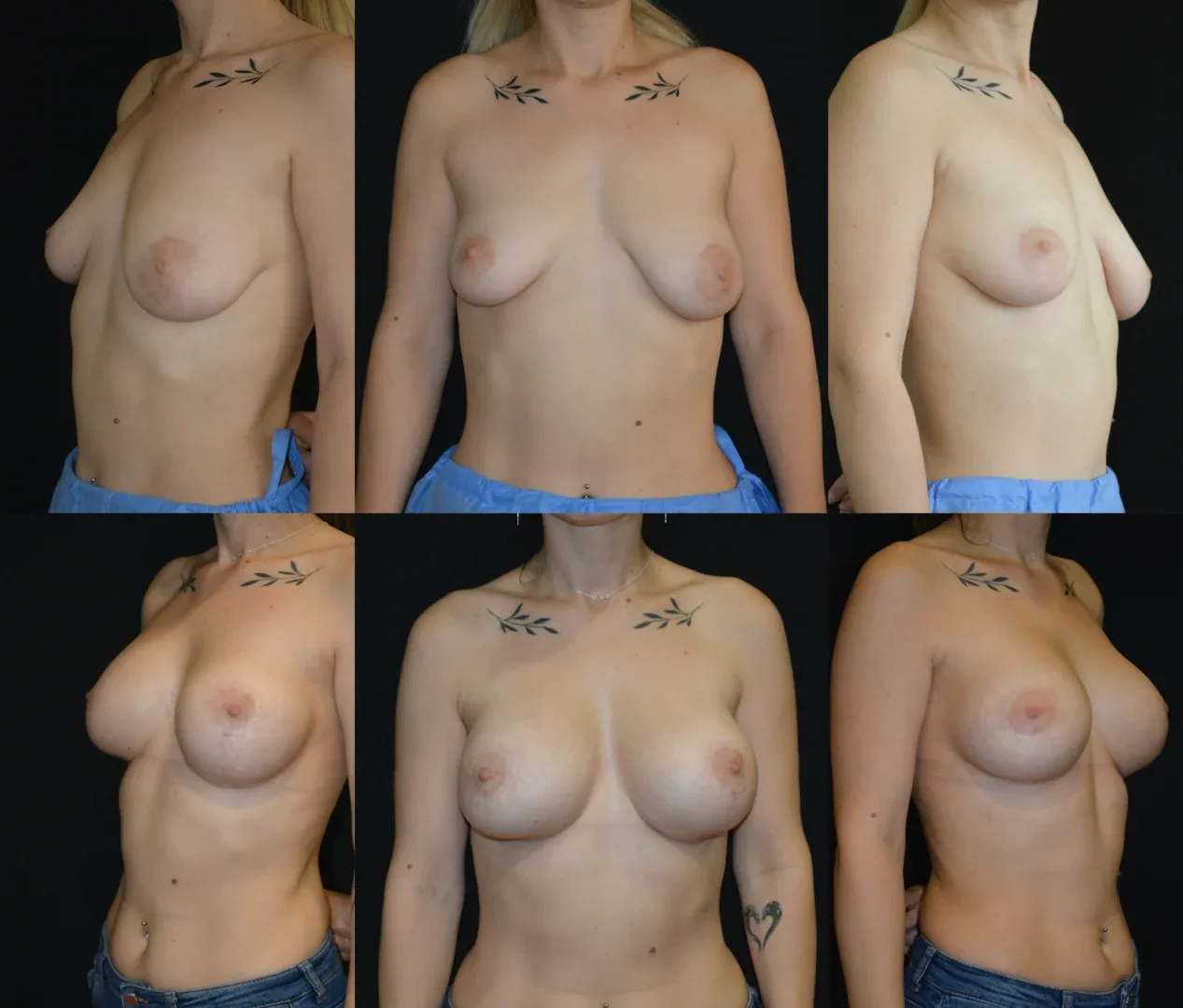
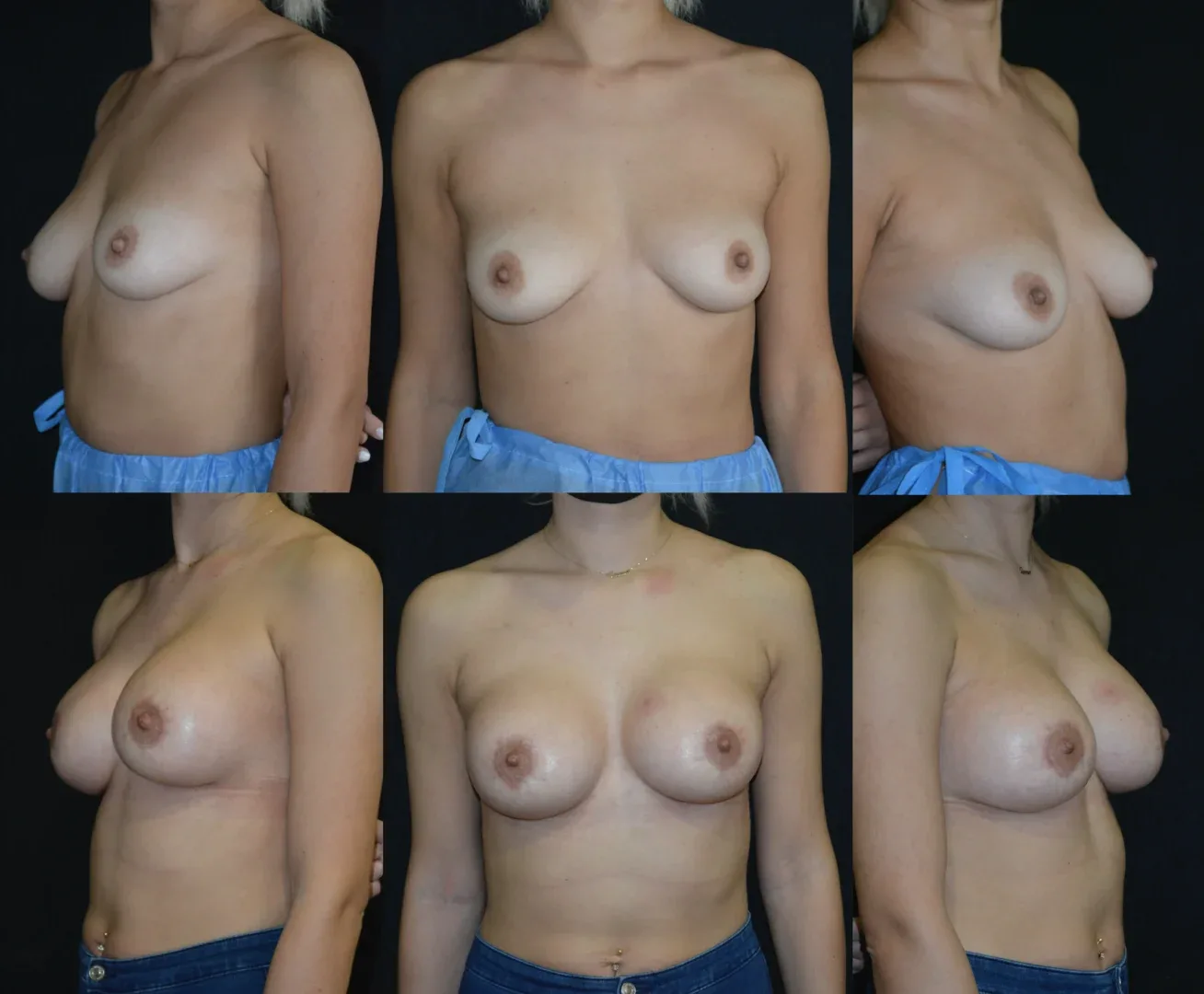
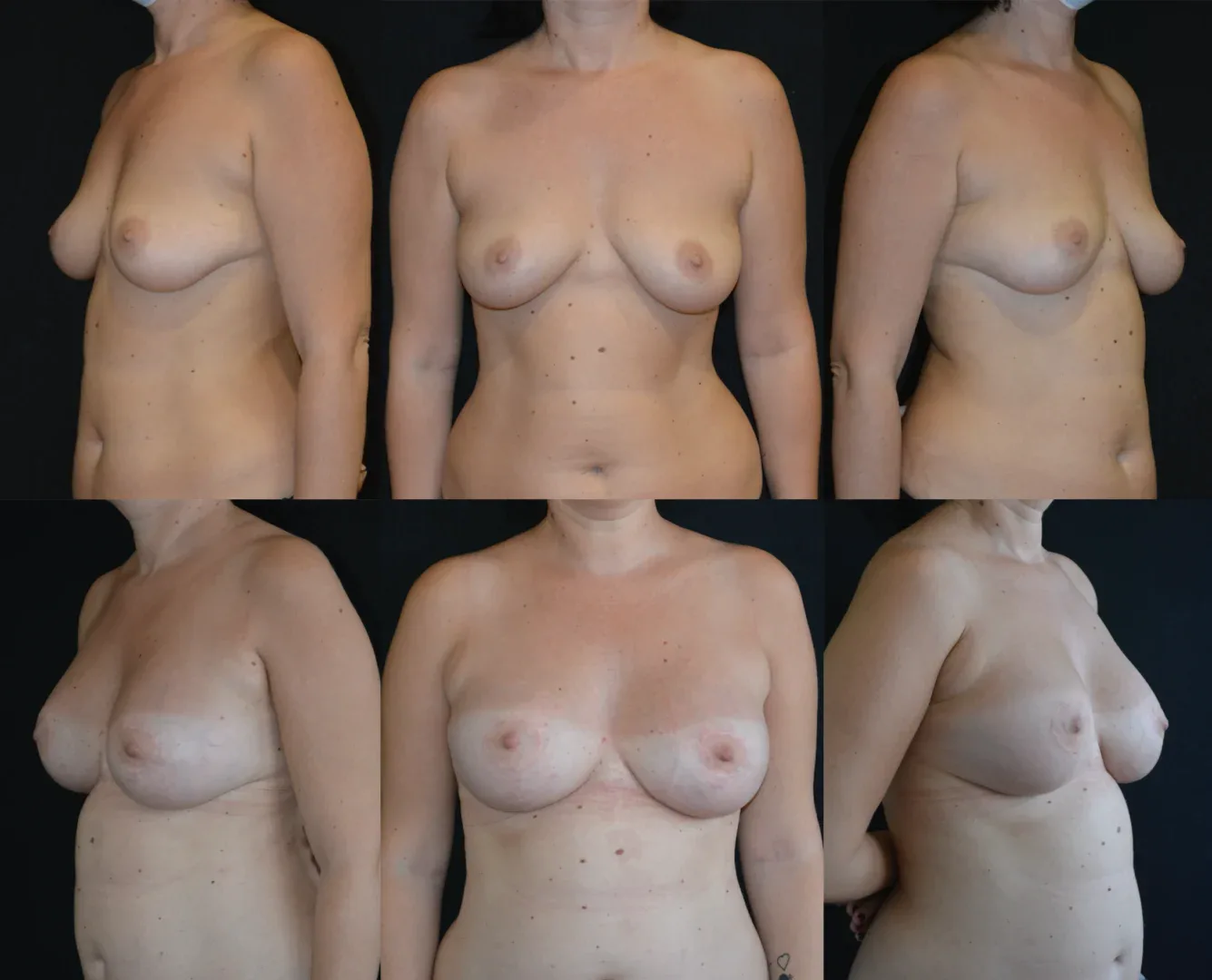
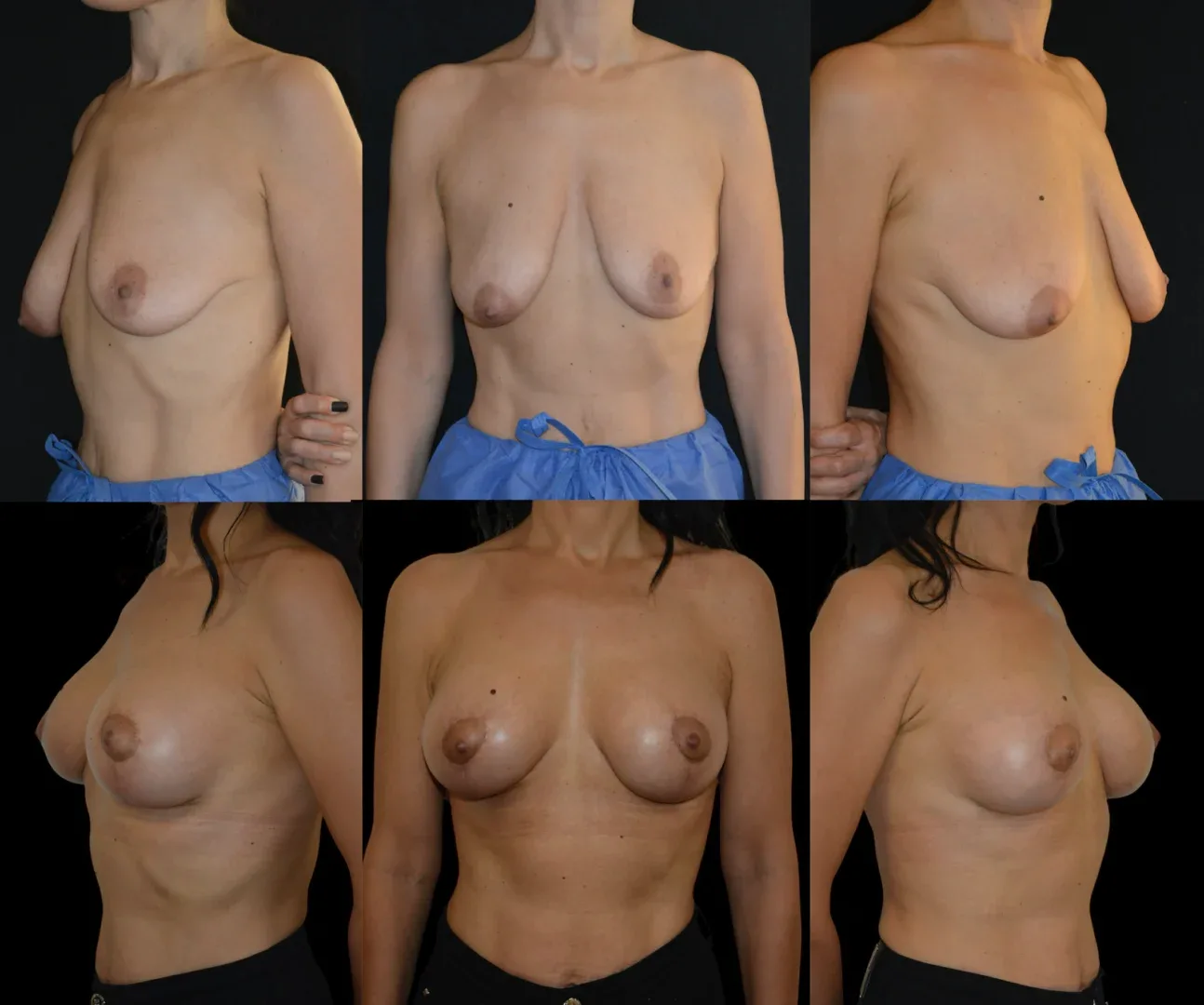
Lifting and improving the appearance of breasts that:
- Are ptotic (sagging, lowered), but proportional in size to body dimensions
- Have lost firmness as well as skin elasticity
- Have a flat or elongated shape
- Have the areola and nipple oriented downward
- Have stretch marks or an enlarged areola
Preoperative Consultation
Mastopexy is indicated for women who want to improve the shape and position of their breasts. If an increase in volume is also desired, breast augmentation can be performed simultaneously with mastopexy using an implant (silicone breast prostheses).
The best candidates for this procedure are:
- Healthy patients, without conditions that could affect the healing process
- Non-smokers
- Individuals with a pleasant appearance who particularly wish to improve their body aesthetics
Ideal candidates for mastopexy are women with a normal and stable body weight whose breasts are fully developed. The procedure can also be performed on young women (adolescents) to correct breast asymmetry. General health is crucial for optimal results and must be evaluated prior to surgery.
The success, safety, and outcomes of mastopexy require that:
- The patient openly communicates her wishes to the plastic surgeon
- Medical history, medication, supplements, alcohol, tobacco, or drug use are fully disclosed to the doctor
- The doctor is informed about any family history of breast cancer
- The patient strictly follows the plastic surgeon’s instructions
Although mastopexy generally does not affect breast function, women planning future pregnancies should discuss this with their doctor. Changes during pregnancy may reduce the effect of the procedure. Additionally, planned weight loss afterward can influence the aesthetic result.
Surgical Procedure
The operation involves excising excess skin, reshaping, and lifting the breasts. Since the areola may be lowered and enlarged, it is repositioned to a normal level, and its size is reduced. Mastopexy provides a rejuvenated appearance with firm, well-contoured breasts.
The procedure can be performed using different surgical techniques depending on:
- The shape and volume of the breasts
- The size and position of the areola
- The degree of breast ptosis (how sagging the breasts are)
- The quality and elasticity of the skin, as well as the amount of excess skin
The three most commonly used types of incisions are:
- Periareolar – around the areola
- Vertical – from the areola to the inframammary fold
- Horizontal – at the level of the inframammary fold
Using one of these incisions, the breast is lifted and reshaped to improve its form and firmness. The areola and nipple are repositioned, and excess skin is removed to restore breast firmness. Incisions are placed to be as inconspicuous as possible. In some cases, a temporary drain tube may be used to evacuate any hematomas.
Healing
After surgery, incisions are dressed, and the patient wears a special bra (bustier) to reduce postoperative edema, support the breasts, and assist in healing.
The initial phase may include edema, inflammation, and local discomfort. These are controlled with medication. The bustier should be worn for several weeks. Light activities can be resumed after a few days, and sutures are removed after 1–2 weeks. Healing continues over the following weeks, with scars gradually softening.
Risks
Possible risks of the procedure include hematomas, infection, poor healing, scarring, changes in nipple or breast sensitivity (usually temporary), as well as risks associated with anesthesia.
Results
The final result is established over a few months, when the shape and position of the breasts stabilize. Incision lines are permanent but usually barely visible. Over time, the breasts may undergo natural changes due to pregnancy or aging. Maintaining weight and a healthy lifestyle helps preserve long-term results.